
 Managing Augmentin Allergies: Signs and Next Steps
Spotting Early Signs Recognize Augmentin Allergy Symptoms
You might notice subtle changes soon after starting the medication: a tingling mouth, itchy skin, or unexpected hives. These early cues deserve attention and a calm response today.
Pay attention to breathing, lip or eyelid swelling, dizziness, or fever. Track when symptoms began relative to doses; timing helps distinguish allergy from normal side effects and tell your provider.
Reactions can escalate quickly: mild itchiness may evolve into widespread rash or airway involvement. Early recognition prevents complications and guides timely treatment decisions for safer recovery overall.
If symptoms appear, stop the antibiotic and contact your healthcare team immediately for advice; note timing and severity to report accurately.
| Symptom | Typical onset |
|---|---|
| Rash | Minutes to days |
| Swelling | Hours |
Differentiate Allergic Reactions from Common Side Effects
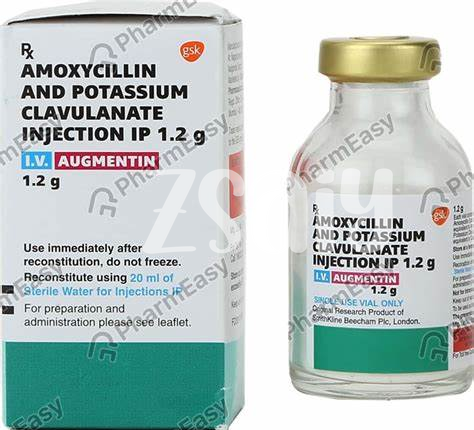
I once watched a neighbor break out in hives an hour after starting augmentin, which highlights how quickly true allergies can appear.
Allergic signs often include sudden hives, facial swelling, wheezing, or throat tightness and usually begin within hours to days.
Common side effects like nausea, diarrhea, or mild headache typically start later, are less dramatic, and lack skin or breathing symptoms.
If skin or respiratory symptoms emerge, treat as an allergy; otherwise, manage minor gastrointestinal effects and consult your clinician if uncertain, or call your clinic promptly for guidance.
Immediate Steps to Take during Severe Reactions
An unexpected rash and swelling floored me after taking augmentin, and panic rose fast. Heart pounded; every second felt crucial.
I stopped the pill, called emergency services, and used prescribed epinephrine auto injector while someone dialed 911. Allergic history should be reported to dispatch.
We laid me flat, raised my legs, loosened tight clothes, and kept talking to monitor consciousness and breathing.
If breathing stops, begin CPR immediately and continue until professionals arrive; record times and any medications to inform responders. Seek follow up care for allergy testing and documentation.
When to Seek Emergency Care Versus Monitoring

A sudden tightening of the throat, swollen face, hives spreading rapidly, or difficulty breathing after taking augmentin signals immediate danger; act without delay.
If symptoms are mild—localized rash, mild nausea, or low fever—monitor closely and contact your prescriber for advice before stopping treatment, and avoid driving until assessed.
Use antihistamines for limited hives and keep a written record of symptom progression, time of dose, and any co‑medications.
Seek emergency care if swelling worsens, breathing becomes noisy, lightheadedness develops, or blood pressure drops; carry documentation of the augmentin prescription for clinicians.
Allergy Testing with Skin Blood Specialist Referral
After a worrying rash or swelling, patients often wonder whether their body truly reacts to augmentin or to something else. A specialist’s timeline of tests—from skin prick to intradermal assays—can trace immediate sensitivities and guide safe choices, reassuring anxious patients with clear explanations and outcomes.
Blood testing complements skin evaluation, especially when medications or eczema complicate interpretation. A referral to an allergy and immunology team ensures coordinated care, personalized risk assessment, and a documented plan that lists safe antibiotic alternatives and next steps to prevent repeat reactions and future confidence.
| Test | Purpose |
|---|---|
| Skin prick | Immediate sensitivity |
Alternative Antibiotic Choices and Long Term Prevention Strategies
When amoxicillin‑clavulanate can't be used, clinicians often choose from drug classes with little cross‑reactivity: macrolides (azithromycin, clarithromycin) or tetracyclines (doxycycline) for many respiratory and skin infections. For urinary or complicated infections, nitrofurantoin, trimethoprim‑sulfamethoxazole, or certain cephalosporins may be appropriate depending on local resistance patterns.
Patients should get clear documentation of the allergy in medical records and carry an alert card; this prevents accidental exposure and guides future prescribing. If antibiotic options are limited or the infection is life‑threatening, referral to an allergist for skin testing or supervised desensitization can open safe choices.
Long-term prevention includes stewardship, vaccination, and reviewing past reactions with a specialist so true allergy and avoidable substitutions are identified for future care.