
 Cellcept Myths Debunked: Separating Fact from Fiction
How Cellcept Works: Immune System Basics Explained
Imagine your immune system as a vigilant city. White blood cells patrol streets, spotting invaders and sounding alarms when threats appear. It learns and adapts, remembering past encounters to respond faster.
Cellcept quiets the most active patrols by blocking a key enzyme needed for building DNA in rapidly dividing immune cells. This reduces the army of cells that would attack transplanted organs or cause autoimmune flare-ups. Side effects and monitoring explain why dosing is individualized carefully.
It doesn’t obliterate immunity; instead it shifts balance so everyday defenses remain while overzealous responses calm. That’s why infections are a risk but routine protection often persists.
Understanding mechanism helps patients see why monitoring blood counts and avoiding certain vaccines matter. Discussing goals with clinicians turns a confusing prescription into a predictable, manageable strategy. Regular checkups let clinicians tailor therapy for each person's risks.
Myth: Cellcept Causes Immediate, Irreversible Infertility
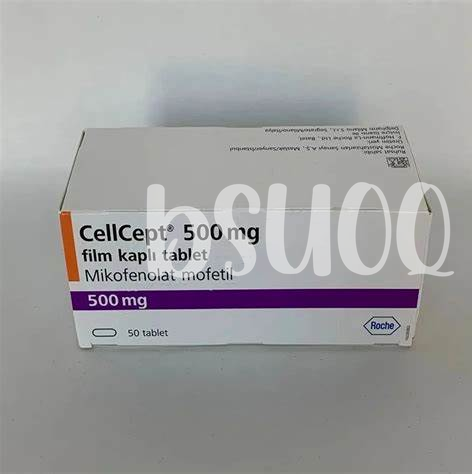
A worried couple once asked if fertility would vanish when treatment began. The fear is understandable: immunosuppressants sound radical. In reality, evidence shows that cellcept does not cause instant, permanent sterility.
Temporary changes in menstrual cycles or sperm parameters can occur, but reverse after stopping therapy or adjusting dose. Large studies and transplant registries report successful pregnancies after exposure, especially when managed by specialists.
Guidelines recommend contraception during treatment and a waiting period before conception to reduce risks, not because fertility is destroyed. Preconception counseling, sperm banking, or egg preservation are options when concerns arise.
Open dialogue with clinicians helps separate anecdote from data, allowing informed choices that balance disease control and future family plans.
Safety Profile: Long-term Risks Versus Real Data
Many patients worry that decades on immunosuppression will lead to catastrophic outcomes, but long-term studies reveal more nuanced picture; experience with cellcept shows manageable risks when care is regular and vigilance is consistent and informed
Large registries and transplant cohorts track malignancies and opportunistic infections; modest elevations in certain cancers appear, but absolute risk remains low for many patients, and surveillance plus vaccination reduces real-world impact considerably in longitudinal studies.
Clinicians mitigate risks with routine lab monitoring, dose adjustments for infections, and prompt treatment of complications; patient education about infection signs and sun protection helps too, ensuring that cellcept’s benefits are weighed against individualized risk.
Ultimately, the long view favors informed continuation for many: preventing organ rejection or disease relapse often outweighs modest statistical hazards, but shared decision-making and regular follow-up turn population data into safe, personalized care with confidence.
Side Effects: What’s Common Versus What’s Rare
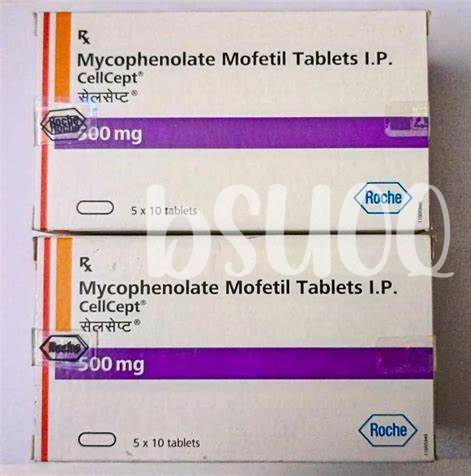
Early on, patients often experience predictable effects like fatigue, nausea, and mild diarrhea. These common reactions tend to be dose related, transient, and manageable with timing adjustments, hydration, dietary changes, or symptomatic treatments under clinician guidance.
Less frequent but important concerns include blood count suppression and increased infection risk; monitoring detects low white cells or platelets early so doses can be adjusted. Report fevers or unusual bruising promptly to your care team.
Rarer complications such as severe infections, gastrointestinal bleeding, or raised malignancy risk are uncommon but important. For patients on cellcept, clinicians use long-term data to guide individualized surveillance plans and informed shared decision making.
Most people tolerate therapy long term; vigilance and routine labs minimize harm. If symptoms change, contact your provider promptly. Early action prevents escalation and preserves quality of life and discuss fertility questions as needed.
Interactions and Precautions: Medicines, Vaccines, Pregnancy Considerations
Before adding or stopping drugs, tell your team about every prescription, over-the-counter and herbal remedy — small pills can change how cellcept behaves. Some antacids and bile-acid resins reduce absorption, while agents that suppress bone marrow together can amplify infection risk.
| Interaction | Recommended action |
|---|---|
| Live vaccines | Avoid while immunosuppressed |
| Antacids / cholestyramine | Separate doses to preserve absorption |
| Concomitant myelosuppressants | Monitor blood counts closely |
| Pregnancy | Use reliable contraception; consult specialist |
Vaccinations require planning: inactivated vaccines are usually safe and encouraged, but live vaccines should be given only when immunosuppression is minimized. Keep an updated vaccine record and coordinate timing with your provider. Also, get annual flu and pneumococcal shots when advised by clinicians.
If pregnancy is possible, discuss alternatives and strict contraception before starting therapy; report suspected pregnancy immediately. Always report fevers, wounds or unusual bleeding—these are signals to seek urgent medical review.
Practical Tips: Managing Therapy, Monitoring, When to Seek Help
Stick to your prescribed schedule and never skip doses without consulting your transplant or rheumatology team; consistent timing reduces rejection risk and side effects. Keep a medication diary, use pill organizers or phone reminders, and carry an information card listing Cellcept and emergency contacts so providers know your immunosuppression status.
Routine blood tests monitor white cell count, liver enzymes and kidney function—follow your lab schedule and report abnormal results promptly. Discuss vaccinations and family planning before conception; Cellcept can affect pregnancy, so effective contraception and preconception counseling are essential.
Seek care for fever, persistent cough, unusual bleeding, severe abdominal pain, jaundice or sudden bruising; these may signal infection or organ injury—contact clinic or emergency services.