
 Off-label Uses of Elavil Explained
How Elavil Got Repurposed Beyond Depression
A few decades ago, routine psychiatric prescribing produced unexpected clues: patients reported less pain and better sleep while taking amitriptyline. Clinicians noticed patterns and began testing those observations systematically soon.
Small controlled trials and case series confirmed benefit for neuropathic pain and prevention of headaches at doses lower than antidepressant regimens. Mechanistic studies suggested analgesic and antihyperalgesic effects in patients.
Off-label prescribing grew as guidelines acknowledged secondary indications; practical experience and modest evidence balanced against risks informed individualized decisions by prescribers and patients across settings.
Today the drug supports multi-modal care for select chronic pain and sleep disorders; clinicians tailor low doses, monitor side effects, and track outcomes to balance benefit and harm over time.
Neuropathic Pain Relief: Surprising Elavil Benefits
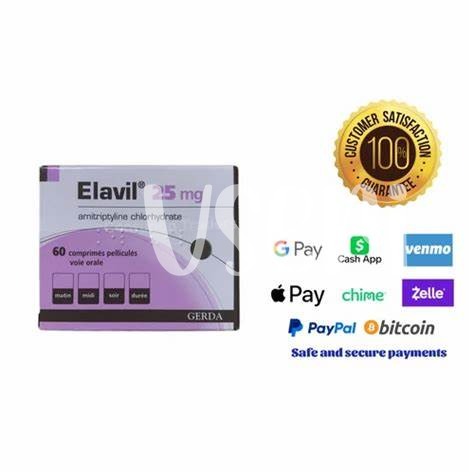
Patients often describe a turning point when nerve pain finally eases: once-debilitating shocks become softer, sleep returns, and daily tasks feel less daunting. Originally developed as an antidepressant, elavil has an off-label niche in dampening neuropathic signals by modulating neurotransmitters and altering pain pathways. Clinical experience and trials show benefit at low doses for many people.
Dosing is typically lower than for depression, which can reduce side effects while preserving analgesia, but individual response varies. Doctors balance potential benefits against anticholinergic risks and drug interactions, especially in older adults. For those whose burning, tingling, or shooting pains resist other treatments, elavil can offer a meaningful, cost-effective option under medical supervision with careful monitoring and follow-up.
Chronic Migraine Prevention with Low Dose Elavil
When headaches stole her weeks, she cycled through OTC fixes until a clinician suggested a low-dose tricyclic. Within months the calendar filled with clear days; frequency and severity dropped. The narrative isn’t magic but a common clinical experience: low-dose therapy can shift migraine patterns where other preventives often failed.
Low doses — often ten to seventy-five milligrams nightly — are typically used for migraine prevention; elavil modulates serotonin and norepinephrine, helping dampen pain pathways and reducing central sensitization. Benefits usually appear over four to eight weeks; clinicians titrate slowly to balance effect with tolerability.
Side effects—dry mouth, drowsiness, constipation, or weight gain—are common but usually dose-related; rare cardiac conduction changes warrant baseline ECG in older patients or those with heart disease. Avoid combining with MAO inhibitors or other QT-prolonging drugs. Discuss goals, monitoring, and alternatives with your clinician before starting low-dose therapy.
Insomnia and Sleep Modulation Using Elavil
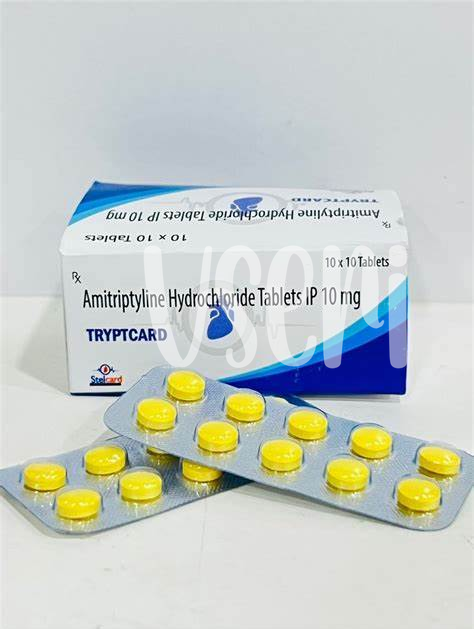
Many patients find low-dose elavil produces gentle sedation, aiding sleep onset when insomnia occurs with pain or depression; this real-world benefit led clinicians to try it off-label in practice.
Its sedative action likely involves antihistamine and anticholinergic effects plus modulation of neurotransmitters that influence sleep architecture, which can increase total sleep time even at low doses in practice.
Typically clinicians use lower nightly doses than for depression, titrating slowly while monitoring daytime drowsiness, dry mouth, blurred vision, or dizziness; side effects often dictate whether therapy continues thereafter.
Because interactions with alcohol, benzodiazepines, and anticholinergics increase risk, discuss elavil with a prescriber who can weigh benefits, risks, and alternative sleep strategies for your situation and safety.
Fibromyalgia Symptom Control: Is Elavil Effective
Many people with chronic widespread pain stumble through trial-and-error until a medicine like elavil appears in conversation. Clinicians noticed historical antidepressant doses sometimes reduced aching, stiffness, and hypersensitivity in fibromyalgia patients. Research later explored low-dose tricyclic regimens that may modulate pain pathways and sleep architecture, producing modest but meaningful improvements for some individuals. The story, however, is nuanced: responses vary, benefits are often partial, and evidence mixes randomized trials with clinical experience.
For individuals considering off-label use, realistic expectations matter: elavil can help sleep and reduce pain sensitivity but may cause dry mouth, weight gain, or daytime drowsiness. Doctors usually start very low and titrate slowly while monitoring heart rhythm, interactions, and other medications. Shared decision-making and periodic reassessment determine whether modest symptom control outweighs side effects for each person. Regular follow-up helps weigh benefits, risks, and alternatives periodically.
| Note |
Safety, Dosing, and Interactions: What to Know
Amitriptyline can feel like a small dose of relief for chronic pain and insomnia, but its power demands respect. Even at low nightly doses many patients notice dry mouth, blurred vision, constipation and drowsiness; higher doses increase risks of orthostatic hypotension, heart rhythm changes and dangerous overdose.
Doctors begin very low, often 10 to 25 mg at bedtime for pain or sleep, and increase cautiously. Effective pain or migraine prevention occurs between 10 and 75 mg nightly; antidepressant regimens require higher doses and careful monitoring especially in older or medically complex patients.
It can interact dangerously with MAO inhibitors, other serotonergic agents, many antihistamines, opioids and certain antiarrhythmics; alcohol amplifies sedation. Baseline ECG, medication review and liver evaluation guide safer use. Never combine with contraindicated drugs without specialist advice, and report troubling symptoms such as palpitations or severe dizziness promptly.