 Finasteride Vs. Minoxidil: Choosing Your Treatment
How Finasteride and Minoxidil Actually Work Differently
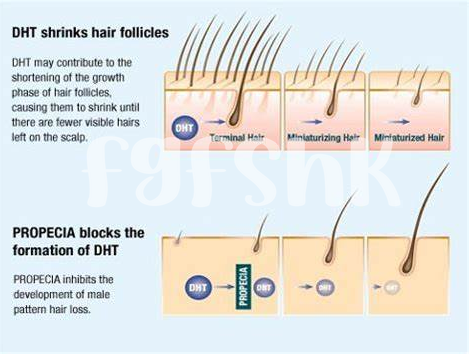
Imagine your scalp as a garden: one treatment changes the soil, the other opens tiny irrigation channels. Finasteride lowers DHT, the hormone that shrinks follicles, protecting hair from future miniaturization and preserving density.
Minoxidil works differently: applied topically, it widens blood vessels, boosts follicle oxygen and nutrient flow, and can reactivate dormant hairs. Results vary; minoxidil often requires continuous use for maintained growth, while finasteride’s hormonal effect targets the root cause. Many patients combine both for complementary benefits under medical guidance. Consult a clinician to choose the correct personalized approach.
| Finasteride | Minoxidil |
|---|---|
| Hormone blocker (DHT reduction) | Topical vasodilator (increases blood flow) |
Real-world Effectiveness: What Results You Can Expect
Many people report slowing hair loss within months, but real change often looks more subtle than dramatic photos. Minoxidil can thicken existing hairs and improve scalp coverage; finasteride tends to halt progression and regrow hair at the crown for men. Individual responses vary widely.
Clinical studies and clinics show that about sixty to seventy percent of men see stabilization or improvement on finasteride, while minoxidil helps roughly half achieve visible thickening. Expect modest regrowth rather than a full reversal: vellus hairs often convert to thicker terminal hairs gradually.
Plan for six to twelve months before judging progress, use monthly photos, and consult your clinician about combining therapies or switching if improvement stalls, or adjusting dose.
Onset and Duration: Timeline for Visible Hair Regrowth
At first you may only see subtle changes: minoxidil often causes early shedding before vellus regrowth, with visible improvement around four to six months, while finasteride usually stabilizes hair loss by three to six months and produces clearer regrowth by six to twelve months. Patience is essential.
Consistency matters: continue treatment for at least twelve months to judge response, and understand gains can plateau. Stopping either drug reverses benefit within months. Discuss goals with your clinician so finasteride and topical regimens match lifestyle, monitoring, and realistic expectations and long-term planning.
Side Effects Compared: Risks, Reversibility, Long Term Safety

Starting treatment can feel uncertain. Finasteride may cause sexual side effects—lower libido, erectile issues, ejaculation changes—in a minority. Topical minoxidil often leads to scalp irritation or unwanted facial hair sometimes.
Systemic risks with minoxidil are rare but include dizziness or fluid retention. Finasteride can affect PSA results and is unsafe for women who are pregnant or may conceive without counseling.
Long-term data for finasteride extend decades and suggest overall safety, though vigilance for mood changes and persistent sexual symptoms is prudent. Minoxidil’s long-term profile remains favorable with ongoing clinical follow-up.
Deciding requires weighing personal tolerance, reproductive plans, and monitoring willingness; discuss options with a clinician to personalize choice and manage any emerging adverse effects promptly.
Combining Treatments: Synergy, Protocols, and Practical Tips
Many users pair finasteride with topical therapy to target different mechanisms. Anecdotes and studies suggest combined approaches often outperform single treatments.
A simple protocol:
| Drug | Use |
|---|---|
| Finasteride | Oral DHT blocker |
| Minoxidil | Topical stimulator |
Apply minoxidil twice daily and take finasteride as prescribed; consistency matters. Start both under medical advice and track progress with photos.
Expect gradual gains over months, monitor side effects, and consult your clinician for adjustments. Patience and adherence are key; stopping can reverse gains. Discuss fertility concerns and alternatives if relevant to you.
Choosing Based on Lifestyle, Cost, and Doctor Advice
Imagine your morning routine deciding more than your coffee — it shapes which hair treatment fits. If you prefer low-maintenance habits, once-daily finasteride or nightly minoxidil foam might suit, but travel, shower schedules, and partner preferences matter. Think practicality before potency.
Price differences are real: generic oral options are cheap, topical solutions add ongoing purchase costs. Insurance rarely covers cosmetic treatments, so calculate yearly spend and factor in follow-up labs or dermatology visits. A budget-friendly regimen that you can sustain often beats an expensive short-term experiment.
Talk openly with a clinician: review family history, fertility plans, and potential side effects so you know what to watch for. Many find a trial period useful, with progress photos and periodic check-ins to adapt dosage or switch approaches. Shared decisions produce the best, personalized outcomes. Document changes and reassess every three to six months.