
 Managing Electrolytes While Taking Hydrochlorothiazide
Understand How Hydrochlorothiazide Alters Electrolyte Balance
I remember the moment my doctor explained the new prescription; it felt both hopeful and mysterious.
Hydrochlorothiazide nudges kidneys to excrete sodium and water, which also drags potassium and magnesium along.
That shift can cause cramps, weakness, dizziness or subtle mood changes if levels slip too low.
Regular testing, mindful salt and fluid choices, and potassium- or magnesium-rich foods help restore balance. Never self-adjust doses; discuss supplements and interactions with your clinician so treatment remains effective and safe while you protect energy and heart rhythm and avoid sudden changes today.
Recognize Symptoms of Sodium Potassium and Magnesium Imbalance
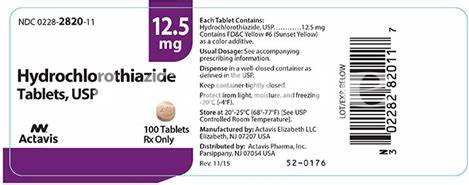
After a few weeks on hydrochlorothiazide, Maya noticed fatigue and muscle twitches that seemed small but persistent. Those are common red flags: low potassium may cause weakness, cramps, constipation, and palpitations, while low sodium can bring confusion, headache, nausea, and dizziness. Recognizing patterns—worsening symptoms after exertion or diuretics—helps spot danger early. Don't ignore subtle trends; they compound quickly too.
Magnesium deficits often masquerade as anxiety, insomnia, or intensified muscle spasms and can also trigger arrhythmias. Keep a simple checklist: energy level, muscle control, mood, and balance; report sudden changes to your clinician. Early lab checks and honest symptom logs make managing electrolyte shifts safer and more precise. Small changes can guide targeted supplementation, safer dosing.
Practical Daily Hydration and Salt Strategies for Safety
I learned to sip steadily rather than gulp, turning water into a daily ritual that supports balance while on hydrochlorothiazide. Small, frequent drinks help avoid sudden sodium shifts and reduce dizziness.
Salt isn't the enemy; measured use can prevent low sodium. A pinch added to meals or sports drinks after heavy sweating can be safer than large, infrequent doses.
Monitor urine color and set phone reminders to drink during work or activity. Pairing fluids with snacks containing potassium—banana or yogurt—helps shore up electrolytes.
Discuss personalized targets with your clinician and adjust fluid or salt intake around hot weather, exercise, and medications to stay both active and safe. Carry one or two rehydration sachets when active.
Foods and Supplements to Replenish Electrolytes Smartly

When my doctor started me on hydrochlorothiazide, I became part chemist, part cook.
Potassium rich options like bananas, baked potato with skin, and avocados, plus magnesium sources such as leafy greens, nuts and whole grains, help replace what diuretics leach.
Probiotic yogurt and fortified plant milks add calcium and small electrolytes; oral supplements can be useful but discuss dosing with your clinician to avoid overcorrection.
Be cautious with potassium sparing salt substitutes and combining supplements with ACE inhibitors; periodic labs ensure food choices and pills are keeping levels appropriately safe.
Timing Labs Medication Reviews and When to Adjust
I learned to book lab work the way I schedule coffee: early, consistent, and nonnegotiable. When taking hydrochlorothiazide, routine checks become small investments that prevent big problems. Make them part of your calendar before symptoms arise.
Start with baseline electrolytes within two to four weeks of starting or changing dose, then every three to six months once stable. Labs should include sodium, potassium and magnesium plus creatinine to monitor kidney function.
Adjustments depend on numbers and symptoms: potassium under 3.5 or symptoms like muscle cramps, weakness, or palpitations warrant prompt review. Hyponatremia or rapid creatinine rise also triggers dose changes or temporary discontinuation.
Bring medication lists, symptoms, dose times and any OTC supplements; expect shared decisions about temporary holds or alternative agents.
| Test | Action |
|---|---|
| K+ | below 3.5:adjust |
| Na+ | below 130:hold |
Avoiding Dangerous Drug Interactions and Overcorrection Risks
Imagine waking at night with sudden muscle cramps after starting hydrochlorothiazide; the cause can be a prescription collision. Drugs such as ACE inhibitors, ARBs, NSAIDs, and lithium change renal electrolyte handling and amplify imbalance risk.
Potassium-sparing agents, potassium chloride supplements, and salt substitutes deserve careful scrutiny; combining them with thiazides may produce dangerous hyperkalemia. Conversely, overenthusiastic potassium or sodium replacement without monitoring risks swings into arrhythmia or seizure-provoking levels consequences.
Coordinate lab timing and medication reviews: check electrolytes before changing doses, after illness, or when starting interacting drugs. Small dose adjustments or temporarily holding supplements can prevent harm while clinicians interpret results and trends safely.
Always inform every provider and pharmacist about hydrochlorothiazide and any OTC remedies. Shared records, scheduled labs, and prompt symptom reporting—dizziness, palpitations, weakness—create a safety net that reduces the chance of catastrophic electrolyte crises and hospitalization.