
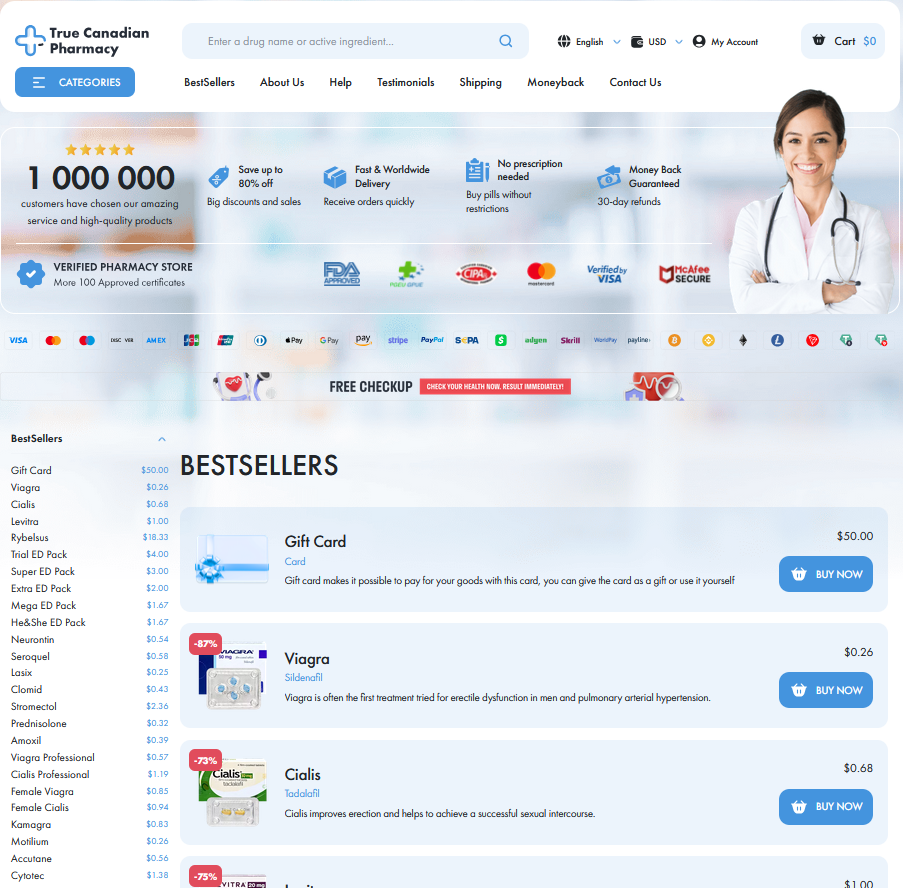
 Buying Levitra Oral Jelly Online: Legal and Safety Tips
Know Prescription Requirements and Local Pharmacy Laws
When considering an online purchase, imagine a pharmacist checking your file before approving treatment; many jurisdictions legally require a valid prescription from a licensed clinician.
Start by confirming that the prescriber is accredited and that the pharmacy displays current licensing and contact details—legitimate sites will request medical history and offer follow‑up, not just sales pitches.
If rules differ across borders, check local regulations and avoid sellers who bypass verification; protecting your health starts with following lawful processes and honest medical advice. Consult a trusted clinician before ordering online for safety.
Verify Online Pharmacy Credentials and Licensing Information

Ordering levitra oral jelly the first time made me cautious; I learned to treat websites like storefronts. Look for a visible license number, a listed pharmacist, a toll-free phone and a street address. Legitimate sites display regulatory seals and clear privacy policies; absence is a red flag.
Verify license details against government or pharmacy-board databases and confirm the issuing jurisdiction matches the seller’s address. Check for customer reviews, secure-site indicators and pharmacist availability for consultations. When in doubt, contact your local regulator — an official confirmation beats a sales pitch.
Beware Counterfeits: Check Packaging and Batch Numbers
I remember ordering my first packet and feeling uneasy when the sachet looked different from pictures on the manufacturer’s site.
Look closely at seals, holograms, font consistency and spelling — genuine levitra oral jelly has consistent logos, clear batch numbers and printed expiry dates. Counterfeit packaging often uses low-quality printing, missing lot codes or mismatched fonts.
Always match the visible batch number on the sachet to the manufacturer’s database or contact customer support to verify. If a batch code is absent, rubbed off, or doesn't verify, do not take the product.
Also beware unusually low prices, odd textures or smells in the jelly, and avoid sellers who refuse returns; report suspicious products online to regulators promptly.
Understand Interactions, Side Effects, and Contraindications

Imagine opening a sachet of levitra oral jelly before a planned evening; that small act deserves thought. Discuss your medical history with a clinician to ensure the medicine well suits your cardiovascular and health profile.
Tell your prescriber about nitrates, alpha‑blockers, blood pressure medicines and HIV protease inhibitors; combining these with levitra oral jelly can cause dangerous drops in blood pressure. Grapefruit and strong CYP3A4 inhibitors also raise drug levels—avoid.
Common side effects include headache, flushing, dizziness, nasal congestion and indigestion. Rarely, priapism or sudden vision/hearing loss occur and require emergency care. Seek help if an erection lasts over four hours or sensory changes arise.
Contraindications include concurrent nitrate use, unstable angina, recent heart attack or stroke, and severe hypotension. Adjust dosing for liver or kidney impairment and when taking potent CYP3A4 inhibitors. Always review medications and supplements with providers.
Secure Payment Methods and Protect Personal Data
When ordering medication like levitra oral jelly, imagine a cautious shopper tracing every step of a purchase. Use cards with limited exposure, prefer reputable payment gateways, and avoid public Wi‑Fi when entering financial details.
Check for HTTPS, two‑factor authentication, and OTP options before confirming payment; keep transaction receipts and screenshots in a secure folder. If a site pressures you to pay via wire transfer or cryptocurrency only, treat it as a red flag.
Limit disclosed details: give minimal personal information, read privacy policies, and delete saved cards after delivery. If something seems off, contact your bank immediately and consult a licensed pharmacist to confirm legitimacy before accepting packages. Save fraud alerts and update passwords regularly.
Know Import Rules and Risks of International Shipping
On a humid afternoon I tracked an overseas parcel and learned many countries restrict prescription drugs, requiring permits or imposing seizure. Check national regulations before you click to avoid confiscation.
Shipping carriers differ: some file customs declarations accurately, others don’t. Choose reputable couriers, confirm declared contents, and consider expedited tracked services to reduce handling time, mistakes, and risk of illicit-labeling.
Also plan for extra costs: import duties, taxes, and storage fees can erase savings. Keep prescriptions, receipts, and contact details handy. When in doubt, buy locally to ensure legal protection.