
 Modalert Vs. Adrafinil: Key Differences Explained
How These Wakefulness Agents Differ Mechanistically
They appear similar at first, but one is an active wakefulness compound and the other a liver‑activated precursor. Modalert (modafinil) is the active agent; adrafinil is converted in the liver into modafinil and related metabolites before producing effects.
Modafinil’s primary action includes modest inhibition of the dopamine transporter, increasing extracellular dopamine in key arousal centers. It also modulates orexin/hypocretin, elevates histaminergic and glutamatergic tone while dampening GABAergic signaling, producing a focused wake‑promoting profile.
Adrafinil’s mechanism is therefore indirect and slower, relying on hepatic metabolism; this yields additional metabolites and a measurable liver processing load. Practically, that translates into lower initial potency, delayed onset, and dose adjustments to reach comparable effects.
| Modafinil | Active |
| Adrafinil | Prodrug |
Efficacy: Wakefulness Outcomes and Cognitive Effects

In practice, wakefulness agents like modalert produce a clear sense of alertness and sharper attention without the jittery spike of stimulants. Users cite fewer microsleeps and better daytime function.
Cognitive gains are modest: improved working memory, faster reaction times, and enhanced executive control appear in studies, though individual responses vary. These drugs often increase motivation and task persistence.
Adrafinil’s effects resemble modalert after metabolic conversion, but potency and onset are less predictable. Clinical data show both reduce excessive sleepiness, though effect sizes differ across varied groups.
Choosing depends on priorities: rapid reliable wakefulness favors modalert, while those seeking subtler cognitive support should weigh tolerance, side effects, monitoring needs, and long-term safety data and affordability considerations.
Onset, Duration, and Dosage Practical Differences
When you take modalert, effects often appear within 30 to 60 minutes, giving a quick lift. Adrafinil needs liver conversion, so onset is slower and more variable.
Modalert's effects commonly last 10 to 15 hours, so a single morning dose is effective. Adrafinil may last similarly or slightly longer, but shows greater individual variability.
Typical modalert dosing is 100 to 200 mg daily; adrafinil often requires 300 to 600 mg to match effects. Start low and titrate cautiously.
Because adrafinil's metabolism burdens the liver, allow longer washout periods and monitor liver enzymes with chronic use. Both agents should be taken early to minimize insomnia; adjust timing based on individual response, sleep patterns, and overall health.
Side Effects, Safety Profiles and Long Term Risks
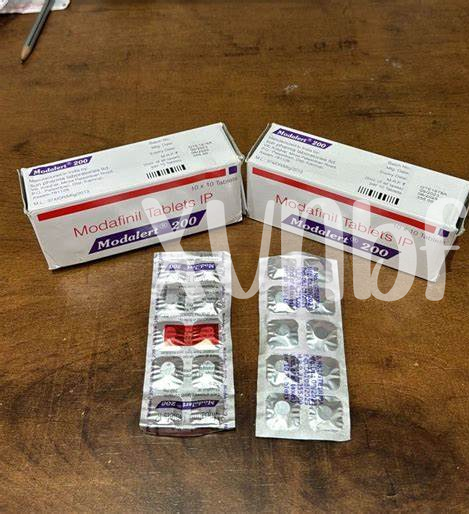
Standing at the crossroads of alertness, users often trade sleepy fog for sharper focus, but that exchange isn’t free. Modest stimulant effects can produce insomnia, jitters, or appetite changes; rarer reactions include allergic responses or mood shifts at higher doses.
Laboratory monitoring can reveal liver enzyme changes with some agents, so baseline checks and periodic follow-up are prudent; individuals with cardiovascular issues should be cautious, as heart rate and blood pressure may increase during use, sometimes even therapeutically.
Longer-term data are limited, which makes risk-benefit discussions essential for sustained use; rotation strategies, minimal effective dosing, and medical supervision help mitigate potential harm, and choosing products like modalert from reputable sources reduces avoidable complications over time.
Legal Status, Accessibility, and Purchasing Considerations
When weighing modalert against other wakefulness aids, consider how regulation affects availability and cost. Personal stories are compelling, yet prescription rules and pharmacy policies ultimately determine access.
Cross-border purchasing, online vendors, and compounding pharmacies vary in reliability. Check authenticity, batch testing, and return policies; clinician guidance reduces legal and health risks while ensuring correct dosing.
| Purchase option | Notes |
|---|---|
| Pharmacy prescription | Verified clinician oversight insurance possible |
| Online vendors | Variable quality check lab reports reviews |
| Compounding pharmacies | Availability varies require medical oversight potential cost savings |
| Tips | Check authenticity batch numbers return policy |
Practical Recommendations: Choosing the Right Option
Imagine mornings when focus matters; modafinil delivers predictable, potent wakefulness with established dosing and clinical data, making it suited for shift workers or diagnosed sleep disorders. Adrafinil appeals to those avoiding prescriptions, but expect slower onset, variable conversion and cautious liver monitoring.
Consult a clinician before starting, prioritize safety: start at lowest effective dose, track sleep, mood and BP, avoid alcohol and hepatotoxic drugs. For long-term use prefer prescriptions with monitoring; for occasional cognitive boosts consider short trials and reliable vendors. Individual goals and medical history should guide the choice.