
 Tamiflu Myths Busted: Separating Fact from Fiction
Is Tamiflu a Miracle Cure? the Truth
I once expected Tamiflu to be a magic fix; the reality is subtler. Personal stories aside, evidence decides.
It can shorten symptoms by about a day when started early and reduce complications in high-risk people. Effectiveness varies by strain and timing.
For healthy adults its benefit is modest; for the elderly, infants or those with chronic illness, it can be important. Side effects are usually mild.
Talk to a clinician: Tamiflu is a useful tool, not a miracle, best used early and alongside vaccines and hygiene. Seek care if worsening.
How Quickly Tamiflu Must Be Started
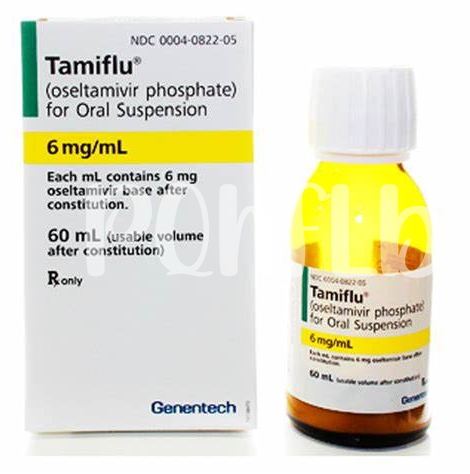
On a foggy morning you notice fever and ache; instincts nudge you toward action. Clinicians often stress that timing matters, so people are urged to seek evaluation quickly and learn whether tamiflu is appropriate now.
Evidence shows antiviral benefit is greatest when started within forty-eight hours of symptom onset; it can shave about a day off illness for otherwise healthy adults, and may reduce complications in high-risk patients if prescribed.
In practice, rapid testing or telemedicine speeds decisions; clinicians weigh timing, severity, and risk factors before prescribing. For hospitalized or severely ill individuals, starting later can still offer meaningful benefit so consult your provider soon.
Remember, tamiflu is not a cure-all; its value lies in early intervention and targeted use. Keeping symptoms in mind and acting fast improves outcomes and eases anxiety for patients and families during flu seasons particularly.
Does Tamiflu Prevent Flu Spread Among People
A neighbor’s cough once turned an ordinary commute into a lesson about contagion. Health experts say antiviral drugs like tamiflu can reduce symptoms and viral shedding modestly when used early.
Trials show treated people may be less infectious for a day or so, lowering transmission risk within households. But antivirals are not a guarantee; practical measures still matter.
Vaccination, masks, hand hygiene, and staying home remain primary defenses. Tamiflu complements these efforts, helping individuals recover faster and possibly trimming the window of contagiousness.
For public health, targeted antiviral use during outbreaks can help control spread, especially among vulnerable groups. Effective prevention combines medication, immunization, and sensible behavior and timely diagnosis plus testing supports community benefits.
Side Effects Explained: What to Really Expect

I asked my doctor about common concerns: nausea, headaches and dizziness were often mentioned when we talked about tamiflu side effects in adults too.
Most reactions are mild and brief, such as stomach upset or headache; severe allergic responses are rare but require immediate medical attention.
Rarely, neuropsychiatric symptoms like confusion or unusual behavior have been reported, mostly in young patients; monitoring caregivers is prudent and immediate evaluation.
If side effects worry you, discuss dose, timing and alternatives; keeping a symptom diary helped me communicate clearly to my clinician today.
Resistance Risk: Is Tamiflu Losing Its Power
Stories about failing drugs stir fear, but the reality is nuanced. Tamiflu remains effective against most circulating influenza strains, though isolated resistant variants have appeared. Scientists monitor mutations carefully, and clinical benefits persist when treatment is timely. Widespread loss of activity would require major viral shifts; until then, stewardship, surveillance and updated vaccines form the frontline defense alongside targeted antiviral use. Public health labs coordinate global reporting rapidly.
Clinicians balance individual benefit with community risk; prudent prescribing reduces selective pressure that breeds resistance. Public guidance encourages vaccination, rapid testing and reserving antivirals for those at greatest risk. Drug developers and health agencies continuously track susceptibility to guide treatment recommendations, and multi-pronged prevention keeps tamiflu useful rather than relied upon as a sole safeguard. in the longterm.
| Resistance | Action |
|---|---|
| Low | Use |
| High | Review |
Should Everyone Stockpile Tamiflu for Emergencies
When flu season arrived, my neighbor rattled a small bottle of pills like a lifeline; the desperation is understandable, but hoarding an antiviral isn't a harmless safety net.
Tamiflu works best when prescribed for a confirmed infection and started early; keeping unused prescription packs can lead to improper use, expired medication, and false security.
Resistance can develop if antivirals are misused, so community stockpiles managed by public health ensure appropriate distribution during outbreaks; individuals should avoid undermining that system.
Instead, consult your clinician about legitimate prescriptions, keep vaccinations up to date, and rely on official guidance—personal hoards usually do more harm than good. Emergency kits should prioritize supplies and prescriptions arranged with your healthcare provider.