
 Children and Ventolin: Dosage and Safety Tips
Understanding Ventolin: How It Works in Children
A frightened child once clenched a small inhaler, then breathed easier; Ventolin relaxes tight airway muscles by opening bronchioles quickly, providing fast relief during wheeze or asthma episodes in children.
It acts within minutes and can last several hours; proper technique and dose determine effectiveness. Parents should know delivery methods like puffer or nebuliser and follow prescribed instructions every time.
Watch for tremors, rapid heartbeat, or persistent coughing; keep a symptom diary and report changes. Use only as directed, consult a clinician for dosing adjustments and urgent concerns without delay.
| Effect | Typical time |
|---|---|
| Onset | Minutes |
| Duration | 3–6 hours |
Proper Dosage Guidelines by Age and Weight
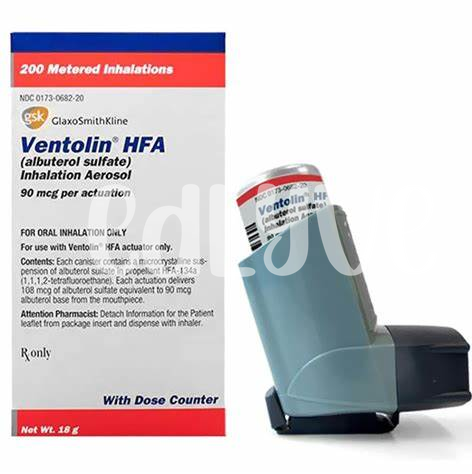
Parents often ask how much to give when a child struggles to breathe; think of dosing as a tailored recipe. For infants and toddlers, clinicians usually recommend a lower measured dose based on weight, while older children get standard puffs. Always consult your child's clinician before adjusting amounts.
A ventolin inhaler delivers short-acting bronchodilator medication. Typical guidance: for school-aged children, two puffs (100–200 mcg) may be used for acute symptoms, with spacers improving delivery. Dosage varies with severity; record exact puffs and timing so professionals can refine therapy.
Weight-based charts guide infants and young children, often expressed as micrograms per kilogram; pharmacists and doctors will translate that into puffs. Never exceed the prescribed frequency — repeated use signals worsening asthma. Keep a clear dosing log, know the emergency plan, and seek care if relief is short-lived or use rises — always act.
Using Inhalers and Spacers Correctly Every Time
A worried parent learns quickly: prepare the ventolin inhaler by shaking it and priming if new. Attach a spacer or mask, comfort your child, and ensure a tight seal so medication reaches the lungs rather than lingering in the mouth or throat.
Instruct the child to breathe out, place the mouthpiece, inhale slowly during actuation, and hold breath for about ten seconds. Deliver the prescribed puffs, pausing thirty seconds between doses to allow full deposition and avoid rushing.
Clean the spacer regularly, check dose counters, and replace canisters on schedule. Keep a written log of doses during flare-ups, carry the inhaler to school, and teach caregivers the routine so treatment stays consistent; when unsure, ask.
Recognizing Side Effects and When to Call
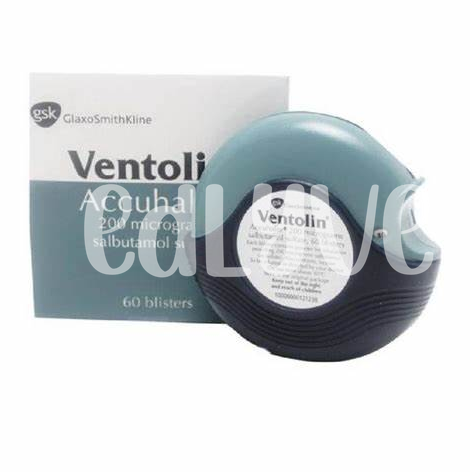
Late one night, a mother noticed her son jittery and pale after using his ventolin inhaler. Mild side effects include tremors, rapid heartbeat, headache or nausea; these often pass quickly. Keep a calm tone, note timing and dose, and watch breathing closely.
Call emergency services immediately if lips or face swell, breathing worsens, or there’s persistent chest pain or fainting. For other troubling symptoms, contact your child’s doctor promptly and bring the inhaler plus accurate records of doses and times. Early reporting prevents complications and helps clinicians adjust treatment safely.
Preventing Overuse: Safe Frequency and Limits
Even on restless nights, parents learn to read the subtle rhythms of a child’s breathing; a calm, pragmatic approach helps prevent overuse. Follow prescribed limits for a ventolin inhaler and log each dose so trends are clear — extra puffs shouldn't be the first response to mild coughing. Teach older kids to recognize when symptoms truly need treatment and plan for rescue, not routine, use.
If symptoms require more frequent dosing or the child relies on quick relief often, call the clinician promptly. Set a clear cap per day with your doctor, understand what counts as a single inhalation, and keep emergency contacts handy. Preventing overuse protects sleep, activity, and long-term lung health and overall development.
| Age | Max uses/day |
|---|---|
| 0–5 yrs | Up to 2 |
| 6–12 yrs | Up to 3 |
Practical Tips for Parents: Storage and Records
Imagine a small orange inhaler tucked safely into a kitchen drawer - the right storage can make it ready when a child needs it. Store inhalers at room temperature, away from heat or freezing, and out of direct sunlight. Keep the protective cap on and the mouthpiece clean; many inhalers have dose counters - note the number left and check expiration dates monthly to avoid surprises.
Keep a simple log of doses, symptoms, and peak-flow readings so you and your clinician can spot trends and know when to refill. Label the inhaler with the child's name, emergency contact, and action-plan highlights. Store backups for school or caregivers in sealed, labeled containers and review storage and records during appointments.