
 Zepbound Vs Competitors: a Comparative Breakdown - Key Differences, Strengths, and Trade-offs Explained
How Zepbound Works Compared to Market Alternatives
Imagine a treatment that nudges appetite and metabolism together. Zepbound combines two incretin pathways to suppress hunger, enhance insulin sensitivity and raise energy use; standard GLP-1 drugs mostly target appetite alone. That dual action explains faster, larger average weight reductions seen in head to head studies, while keeping familiar subcutaneous dosing and gradual dose escalation for tolerability.
For patients and clinicians the choice becomes trade offs: more potent metabolic effects versus slightly different side effect profiles and monitoring needs. Real world adherence, cost, and personal goals often decide whether dual agonism's greater efficacy outweighs alternatives' simpler safety histories and broader insurance coverage. Shared decision making, comorbidities, and realistic expectations guide individualized treatment plans over time.
| Feature | Contrast |
|---|---|
| Mechanism | Zepbound: GIP + GLP-1 dual agonist vs GLP-1 alone |
Clinical Effectiveness: Weight Loss Results Side by Side
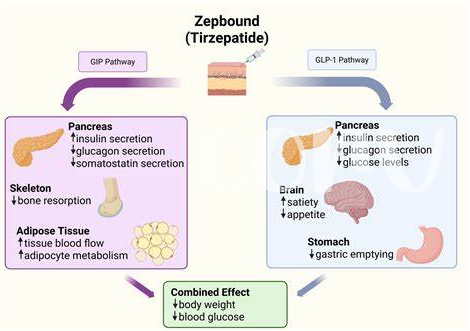
Clinicians and patients often share a story of expectations versus reality when choosing a medication. Zepbound entered the field promising robust reductions in body weight, and head-to-head trials show it often produces larger average percentage losses than older therapies.
Across randomized trials, zepbound typically yields mean weight loss near 10–15% at one year, while alternatives range from 5–12% depending on dose and agent. Time to peak effect, baseline BMI, and adjunct lifestyle support shift those outcomes.
Durability varies: some agents maintain loss with ongoing dosing, others see attenuation. Metabolic benefits—glucose, blood pressure—track roughly with magnitude of weight lost.
For patients, takeaway is simple: greater average loss often brings greater efficacy but needs stricter monitoring overall.
Safety Profile: Side Effects, Warnings, and Monitoring
Clinicians weigh benefits against risks when choosing a therapy. zepbound can cause nausea, injection-site reactions, and occasional gallbladder issues; cardiovascular and thyroid considerations have emerged with GLP-1–class drugs, so baseline assessment and patient education are essential. Drug interactions and pregnancy contraindications also shape decisions, making careful history-taking and risk counseling nonnegotiable before initiation.
Monitoring plans vary: periodic liver panels, thyroid checks, heart-rate and mood surveillance help detect uncommon but important harms. For many, adverse effects are transient and manageable with dose adjustments, yet some patients require discontinuation. Shared decision-making, clear warning signs, and access to follow-up optimize safety while preserving efficacy in real-world use. Clinicians should personalize monitoring frequency based on comorbidities and treatment response.
Cost Considerations: Price, Coverage, and Real Affordability

At first glance, list prices can be startling; branded injections carry premiums, and patients must weigh monthly costs against expected weight loss and health savings over time and risks.
Zepbound's out-of-pocket burden varies widely: some insurers require prior authorization, place it on specialty tiers, or deny coverage—prompting copays, co-insurance, and appeals that shape affordability across months of treatment.
Manufacturer coupons and patient-assistance programs can slash early expenses, yet discounts often exclude public plans; true affordability hinges on sustained outcomes and lowered diabetes, cardiac healthcare costs over decades.
Patients should discuss financial strategies with clinicians—comparing alternatives, exploring samples, lifestyle interventions, and long-term value to balance monthly bills with adherence, overall health gains, and work productivity considerations.
Patient Fit: Who Thrives with Each Option
A person-centered view helps match treatments to lifestyle and medical needs. For many, zepbound suits those seeking appetite control without complex dosing; patients appreciate predictable weekly administration and measurable progress.
Alternatives with faster onset may favor patients needing rapid glycemic or cardiovascular benefits; others prefer agents with broader metabolic effects when diabetes or heart risks coexist.
Practical factors matter: injection comfort, side effect tolerance, and ability to attend follow-ups guide selection. Young, otherwise healthy adults differ from older patients with multimorbidity in priorities.
Shared decision-making, cost transparency, and realistic goals reveal who will thrive. Regular monitoring and lifestyle support optimize outcomes, regardless of chosen therapy, including tailored nutrition and behavioral coaching, and realistic timelines regularly.
Real World Use: Adherence, Lifestyle, Long Term Outcomes
Many patients find a weekly regimen simplifies routines, boosting adherence compared with daily medications. Real-life stories show easier integration into work and travel, though some need tailored support for nausea or meal planning. Consistent injection timing and follow-up predict sustained engagement.
Long-term data suggest durable weight loss when medications pair with lifestyle changes and regular coaching; without behavioral support, many regain weight after stopping treatment. Regular monitoring of glucose, mood, and GI symptoms helps manage risks, and insurance variability affects continuity. Patient motivation and access ultimately shape lasting, sustainable outcomes.