
 Mythbusting Zocor: Facts Versus Fiction
Common Misconceptions about Zocor Safety Profile
Many people imagine that a pill is either miraculous or dangerous, and stories online amplify extremes. Zocor (simvastatin) gets unfair branding as universally harmful; in reality, risk varies by dose, personal health, and monitoring. Understanding nuance prevents needless fear and supports sensible conversations with clinicians.
Side effects are real but predictable and manageable when clinicians tailor therapy and check liver enzymes and muscle symptoms. Rare severe events are monitored; most patients experience benefit far outweighing risks. If worried, discuss alternatives, dose changes, and lifestyle measures instead of completely abandoning treatment.
| Myth | Fact |
|---|---|
| Liver damage | Rare and monitored; dose-dependent |
How Zocor Really Affects Cholesterol and Heart

I remember my first patient who feared statins until we looked at her numbers; zocor works by blocking HMG-CoA reductase, lowering LDL cholesterol and reducing inflammation in arterial walls. That biochemical action translates into fewer plaques forming and slower progression of existing ones, which studies show cuts heart attack and stroke risk over time.
Patients often feel no immediate change, because benefits are measured over months and years, yet routine lipid panels reveal meaningful drops in bad cholesterol. Combined with blood pressure control and lifestyle changes, zocor becomes part of a broader strategy to protect heart health while monitoring for manageable side effects. Regular follow-up tests and open clinician communication optimize individual outcomes and safety.
Side Effects Rare Risks Versus Everyday Experiences
Patients often arrive with vivid anecdotes about dramatic harm, yet most experience only mild, transient symptoms. For zocor the usual nuisances are muscle soreness, transient digestive upset and occasional headaches.
Rarely, serious conditions such as rhabdomyolysis or significant liver injury can occur, especially with high doses or interacting drugs. Regular blood tests and reporting unexplained weakness and fatigue reduce risk.
Balancing everyday discomforts against proven cardiovascular benefit is vital. Discuss any symptoms with your clinician before stopping therapy; lifestyle changes amplify results and often limit medication burden and improve outcomes.
Drug Interactions Contraindications and Safety Considerations
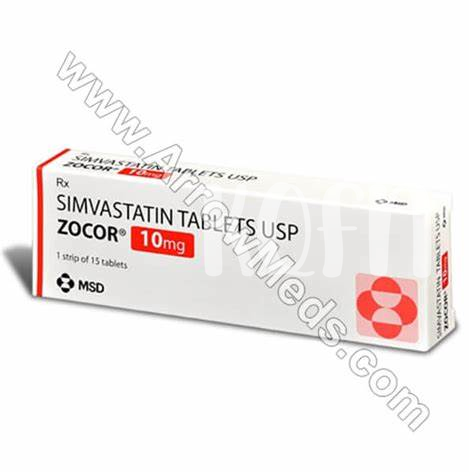
Many patients share stories about mixing zocor with other meds, but reality is nuanced. Doctors screen for interacting drugs like certain antifungals, macrolides and some HIV therapies to avoid harm.
People with liver disease, unexplained muscle pain, or pregnant plans should mention issues to their clinician. Baseline liver tests and periodic checks reduce risk while clarifying safe long term use.
Avoid grapefruit and discuss supplements like red yeast rice, which can amplify effects. Communication and careful medication review preserve benefits of therapy while minimizing rare but serious complications for individuals.
Lifestyle Monitoring and Optimizing Zocor Treatment
Starting zocor can feel like a small surrender and a smart gain: keep a log of blood tests, symptoms, and weekly activity to see patterns. Regular conversations with your clinician and pharmacist turn raw numbers into actionable steps — dose timing, lab timing, and when to pause if symptoms emerge. Simple checks like annual liver panels and reporting unexplained muscle pain make therapy safer without undermining its benefit.
Pairing medication with modest lifestyle shifts magnifies benefit: brisk walks, Mediterranean-inspired meals, and limiting alcohol reduce cardiovascular risk. Avoid grapefruit and discuss supplements — some interact. If you notice fatigue or dark urine, contact your clinician promptly. Use reminders and share lab results through an app so dose adjustments are timely. Together, clear monitoring, open communication, and realistic goals keep therapy effective, helping you live well while zocor does its job and confident.
| Check | Frequency |
|---|---|
| Blood tests (lipids, liver) | 6–12 months |
| Report muscle symptoms | Immediately |
| Lifestyle review | Every visit |
Debunking Myths about When to Question Medication Narratives
A patient once feared statins after a viral post; a clear conversation with their doctor revealed evidence, not anecdotes, should guide decisions.
Side effects deserve attention, but balancing risks against cardiovascular benefit matters; personalized assessment, tests, and follow-up inform safe ongoing use for patients.
Misinformation grows when stories replace data; check reputable sources, ask about absolute versus relative risk, and track objective markers like LDL values regularly.
Trust but verify: second opinions, medication reviews, and lifestyle optimization empower patients to question narratives constructively while maintaining evidence-based care and monitor outcomes.